Top Appliances Driving Up Your Electric Bill in California
March 9, 2026
|
California
Why Is My Electric Bill So High?
If you're a California homeowner staring at an electric bill that seems to climb higher every month, you're not alone. California has some of the highest electricity rates in the nation — and they keep rising. In 2026, the average residential rate in Southern California hovers around $0.35–$0.45 per kWh, and rates above $0.50/kWh aren't uncommon during peak hours.
But here's the thing: your rate is only half the equation. The other half is how much energy you're actually using — and some appliances are far hungrier than others.
Let's look at the biggest energy consumers in a typical California home, what they're costing you, and what you can do about it.
1. Air Conditioning: The Undisputed Champion
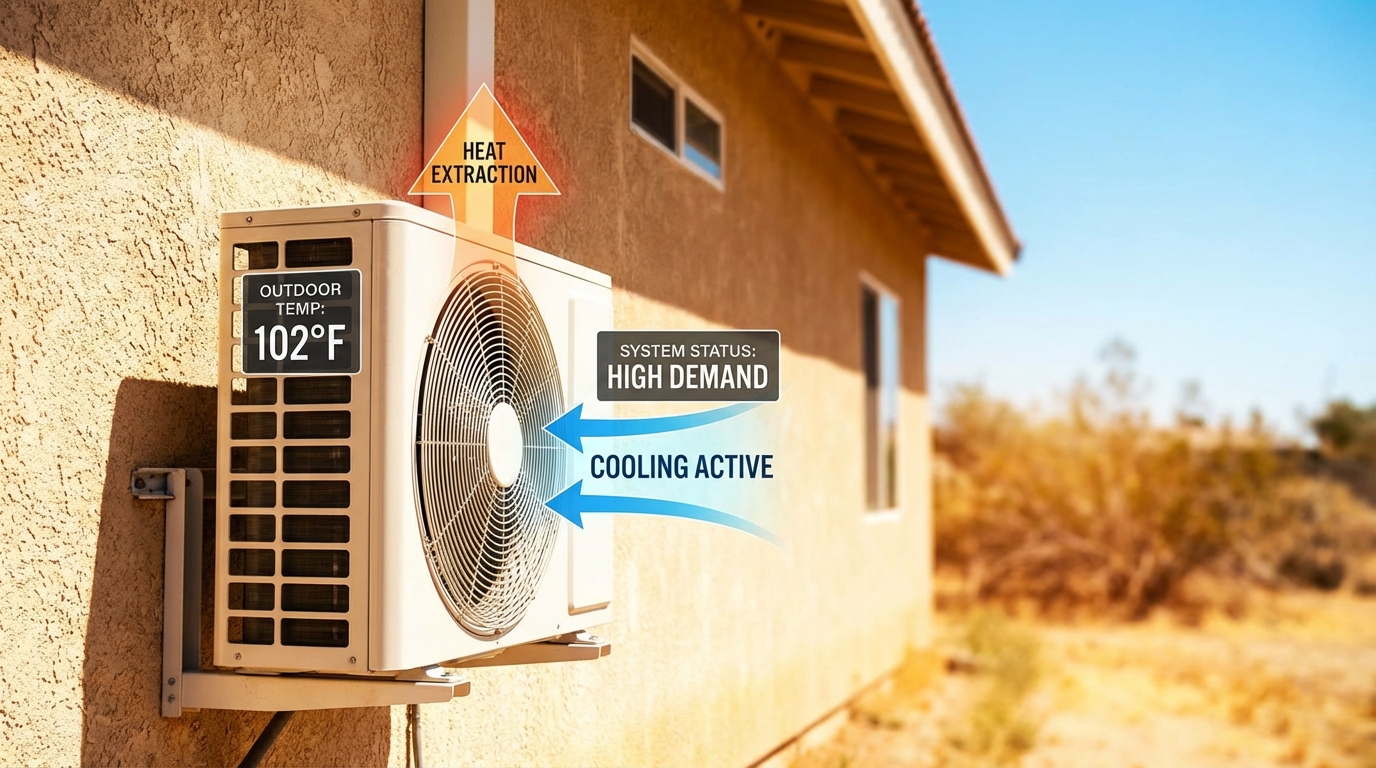
No surprise here. In Southern California — from the San Fernando Valley to the Inland Empire — air conditioning is the single biggest energy draw for most homes, especially during summer months.
The Numbers
A central AC system uses roughly 3,000–5,000 watts per hour while running
Running it 8 hours a day in summer can add $200–$400+/month to your bill at California rates
Older, less efficient units can use 30–50% more energy than newer models
What You Can Do
Set your thermostat to 78°F when home, higher when away
Use ceiling fans to circulate air (fans use only 15–75 watts)
Close blinds on south and west-facing windows during peak sun hours
Upgrade to a high-efficiency (SEER2 16+) unit if yours is over 15 years old
Consider a smart thermostat that optimizes cooling schedules around time-of-use rates
2. Water Heater: The Silent Energy Drain
Your water heater runs quietly in the background, but it's typically the second-largest energy user in your home — consuming about 15–25% of total household energy.
The Numbers
A standard electric tank water heater uses 4,000–5,500 watts
It cycles on and off throughout the day to keep water hot — even when you're not using it
Monthly cost: $50–$100+ depending on tank size and usage
What You Can Do
Lower the thermostat to 120°F (most are set to 140°F from the factory)
Insulate the tank and hot water pipes
Consider a heat pump water heater — they use about 60% less energy
If you have solar panels, time your heavy hot water usage for midday when your panels are producing the most
3. Pool Equipment: California's Hidden Energy Hog
California and pools go together like sunshine and weekends. But that backyard oasis comes with a serious energy price tag.
The Numbers
A standard pool pump uses 1,500–2,500 watts and runs 6–12 hours daily
Pool heaters can use 3,000–6,000+ watts
Combined monthly cost: $100–$300+
What You Can Do
Upgrade to a variable-speed pool pump — they can reduce pump energy use by up to 80%
Run the pump during off-peak hours (typically late evening through early morning)
Use a pool cover to reduce heat loss and evaporation
Consider a solar pool heater for additional savings
4. Electric Dryer: More Expensive Than You Think
That trusty dryer in your laundry room is one of the most energy-intensive appliances you own — it just doesn't run long enough each day to top the list overall.
The Numbers
Electric dryers pull 2,000–5,000 watts per cycle
Each load costs roughly $0.50–$1.50 at California rates
With 5–8 loads per week, that's $25–$50/month
What You Can Do
Line-dry clothes when weather permits (which is most of the time in SoCal!)
Clean the lint filter before every load — a clogged filter increases energy use by up to 30%
Dry full loads only, and use the moisture sensor setting
Consider a heat pump dryer for your next replacement — they use about 50% less energy
5. Refrigerator: Running 24/7
Your fridge is always on, which makes it a steady energy consumer. While modern refrigerators are much more efficient than older models, they still add up.
The Numbers
Modern efficient fridge: 100–400 watts average
A fridge from the early 2000s or older can use 2–3 times more
Monthly cost: $10–$35 (modern) or $30–$70+ (older models)
What You Can Do
Set the temperature to 37°F for the fridge, 0°F for the freezer
Keep it well-stocked (thermal mass helps maintain temperature)
Clean the condenser coils once or twice a year
If your fridge is 15+ years old, replacing it with an Energy Star model can cut its energy use in half
6. Electric Vehicle Charging: The New Big Draw
California leads the nation in EV adoption, and home charging is creating a whole new category of energy consumption that many homeowners aren't prepared for.
The Numbers
Level 2 home charger (240V): 7,200–11,500 watts
Charging a typical EV from 20% to 80% uses roughly 25–40 kWh
At California rates, that's $10–$18 per charge
Monthly cost for daily commuters: $75–$200+
What You Can Do
Charge during off-peak hours (usually 9 PM – 8 AM) for lower time-of-use rates
Many EVs let you schedule charging — set it and forget it
Pair your EV with a solar system to essentially drive on sunshine
7. Lighting and Electronics: Death by a Thousand Watts
Individually, lights and electronics don't use much. But combined — TVs, computers, gaming consoles, smart home devices, phone chargers — they create a constant background energy drain.
The Numbers
"Phantom loads" (devices in standby) can account for 5–10% of your total bill
A large TV running 6 hours/day: ~$5–$15/month
Desktop computer running all day: ~$10–$25/month
What You Can Do
Switch all bulbs to LED (if you haven't already)
Use smart power strips that cut power to devices in standby
Enable power management settings on computers
Unplug chargers and devices when not in use
Putting It All Together: Where Does Your Money Go?
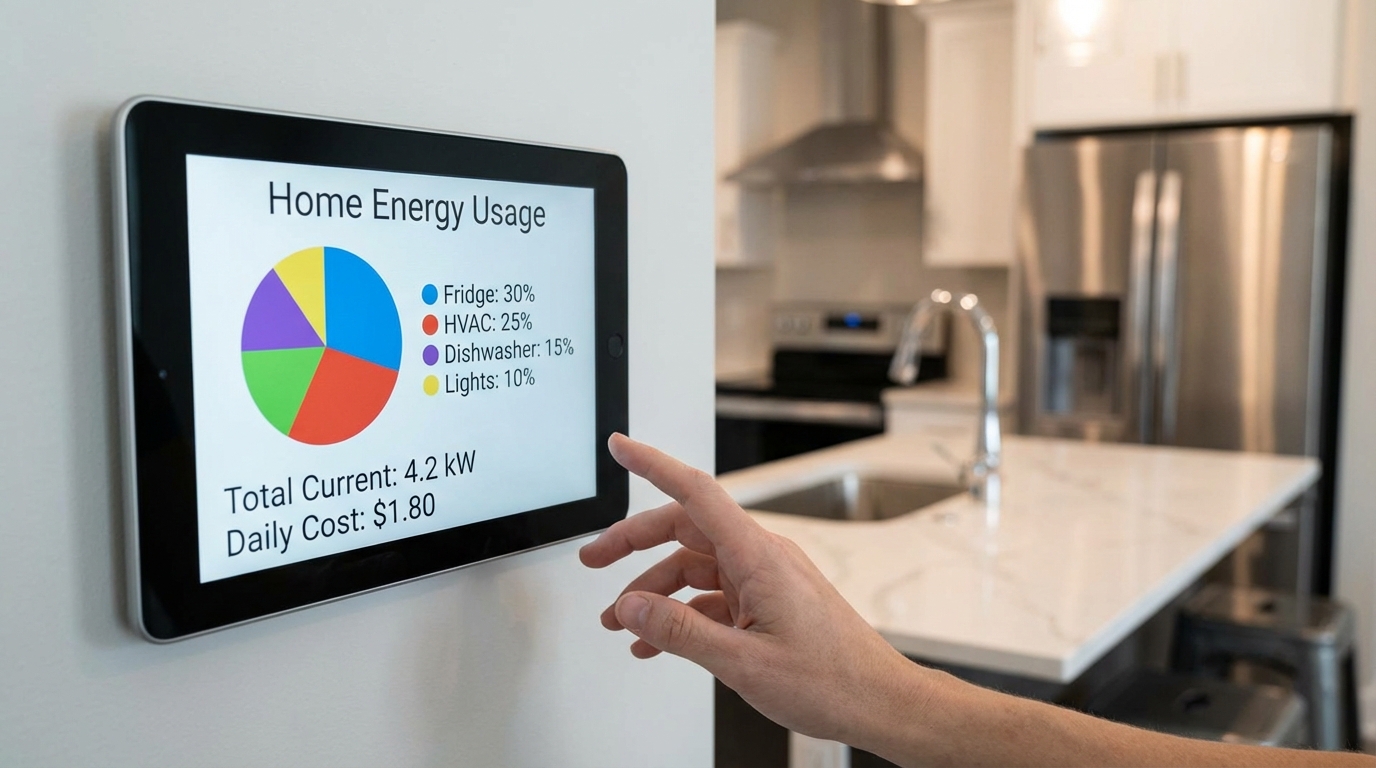
For a typical Southern California home, here's a rough breakdown of annual energy spending:
Air conditioning: 30–45% of total bill
Water heating: 15–25%
Pool equipment: 10–20% (if applicable)
Appliances (dryer, fridge, oven): 15–20%
EV charging: 10–25% (if applicable)
Lighting and electronics: 5–10%
The Ultimate Solution: Generate Your Own Electricity
Energy efficiency is important — and every tip above can help reduce your bill. But there's only so much you can cut without changing how you live.
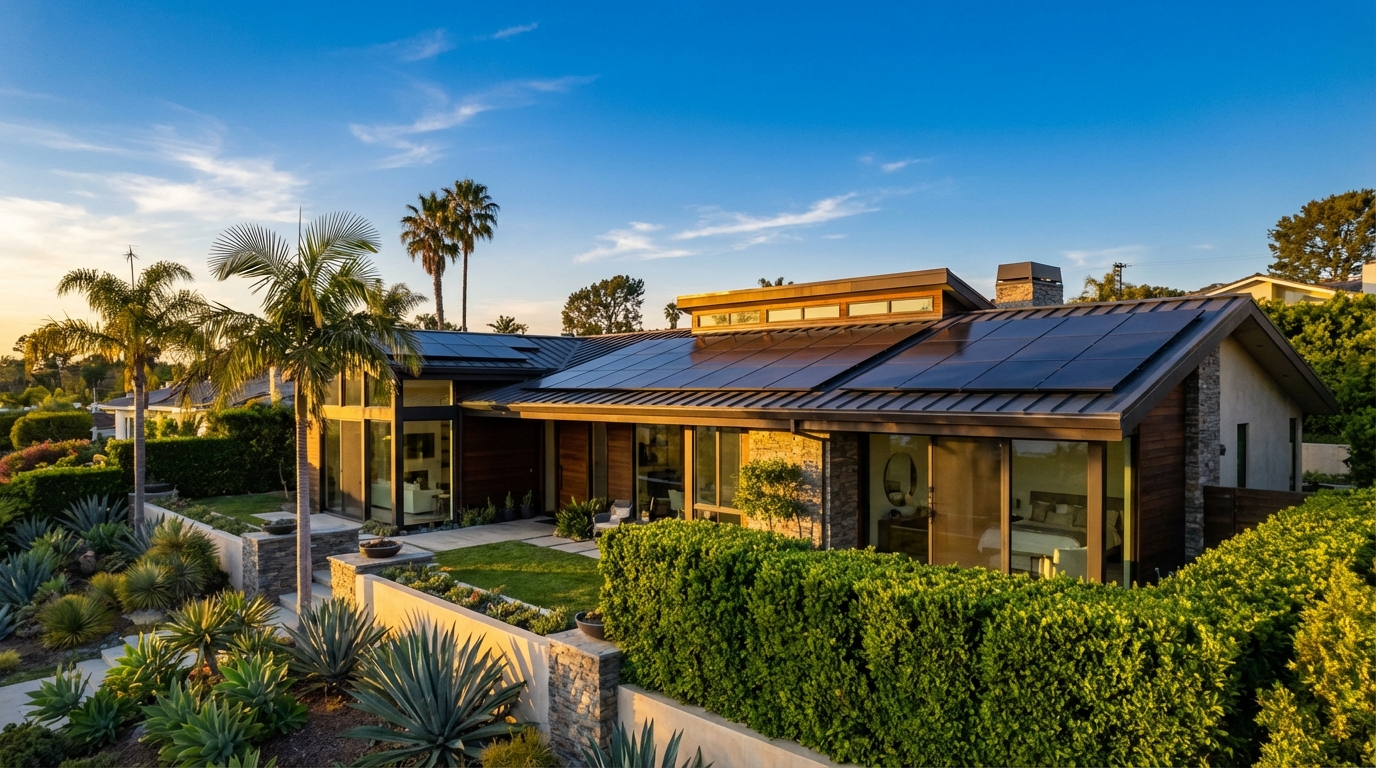
The real game-changer for California homeowners is generating your own electricity with solar panels. Instead of paying the utility company $0.35–$0.50 per kWh, you produce clean energy from your own roof — and you control the cost.
Add a battery storage system, and you can store that solar energy to power your home during expensive peak evening hours, or keep the lights on during outages. It's the most complete solution for taking control of your energy costs.
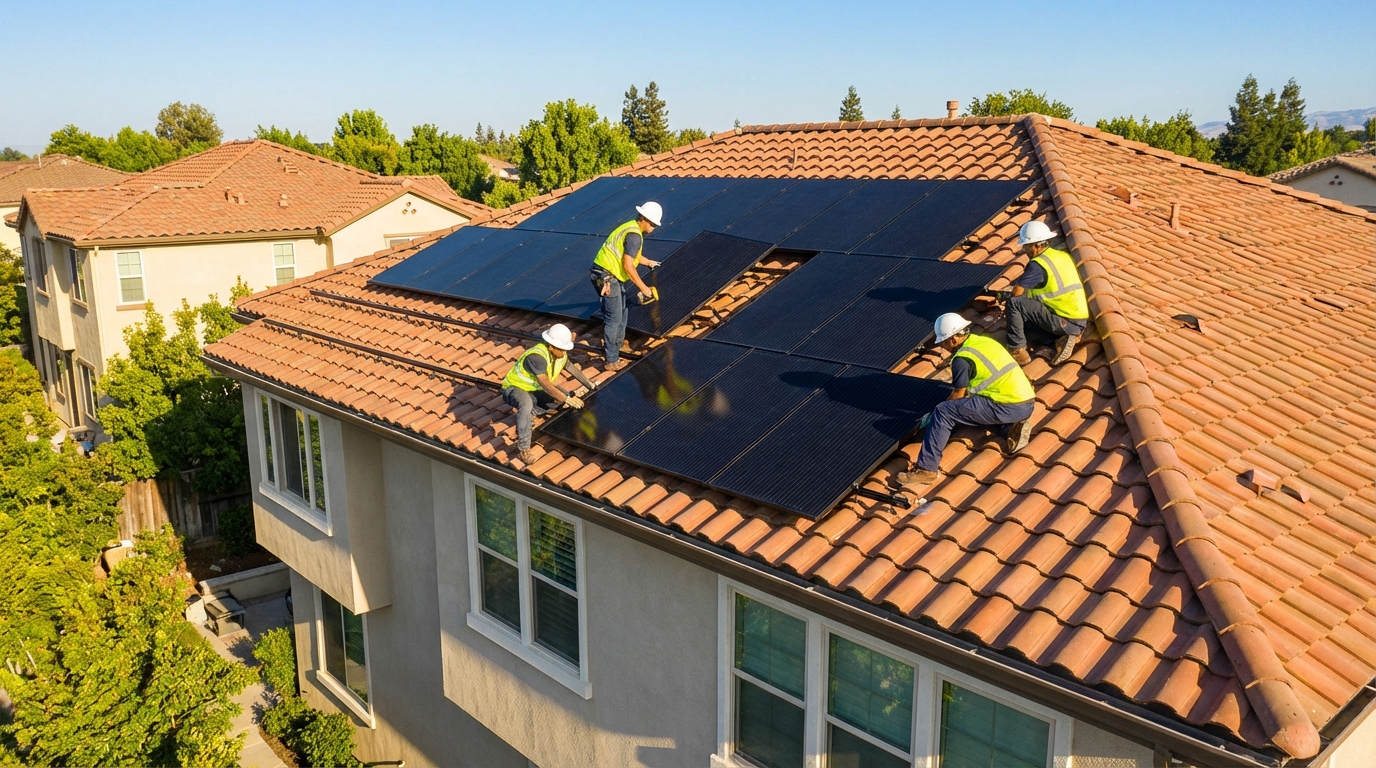
At Everysun, we help families across Los Angeles, Orange County, Glendale, Anaheim, and beyond design solar systems tailored to their actual energy usage — including those high-draw appliances. The result? A system that's sized right, performs well, and delivers real savings from day one.
Talk to Everysun today about a custom solar design based on your home's energy profile. Your appliances aren't going anywhere — but your high electric bill can.