How Many Solar Panels Do I Need? A California Homeowner's Guide
March 18, 2026
|
California
The number of solar panels you need depends on three things: how much electricity you use, how much sun your roof gets, and how efficient your panels are. Here's the quick formula:
Number of panels = Annual kWh usage ÷ (panel wattage × peak sun hours × 365) × 1,000
For most California homes, the answer falls between 15–25 panels, covering a 6–10 kW system. But let's dig into the details so you can get a more accurate estimate for your home.
Check your utility bill or online account for your annual kilowatt-hour (kWh) consumption. The average California home uses about 7,000–8,500 kWh per year, but this varies widely:
Southern California gets approximately 5.5–6.0 peak sun hours per day, while Northern California averages 4.5–5.5 hours. More sun means fewer panels needed.
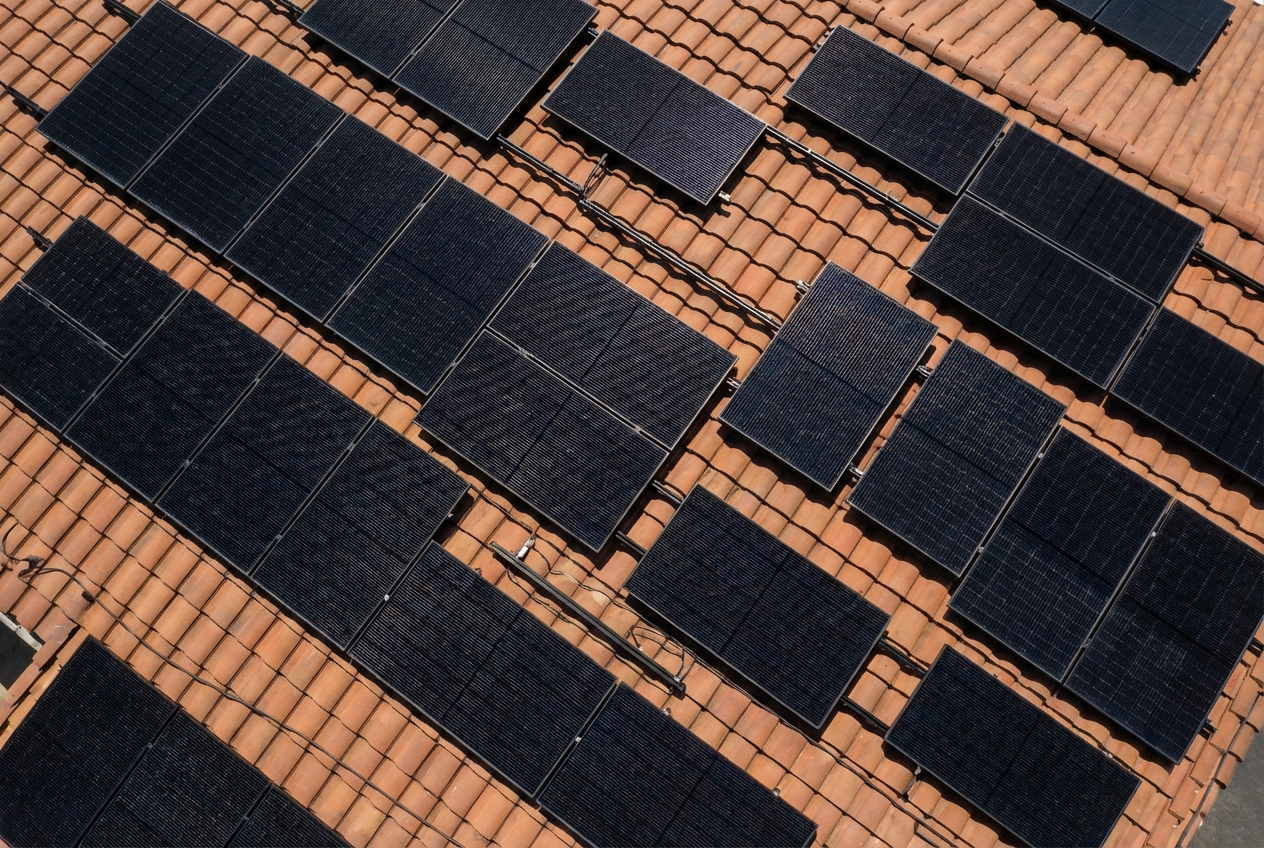
Modern residential solar panels range from 370W to 440W per panel. Higher wattage means you need fewer panels for the same output. At Everysun, we use high-efficiency panels (up to 440W) that maximize production per square foot of roof space.
Here are real-world examples based on typical California homes:
Each standard solar panel is about 17.5 sq ft (65" × 39"). Here's the roof space you'll need:
Not all roof space is usable — you need to account for setbacks from edges, vents, skylights, and shading. South-facing roof sections are ideal, but east and west-facing panels still produce 80–85% as much energy.
If you drive an electric vehicle (or plan to), you'll want to add panels to cover charging. The average EV adds about 3,000–5,000 kWh per year to your electricity usage:
Under NEM 3.0, adding battery storage maximizes your solar savings. A typical home battery stores 10–15 kWh, enough to power your home through peak evening hours. For larger homes or those seeking backup power, two batteries (20–30 kWh) provide extended coverage.
Every home is different. The best way to know exactly how many panels you need is a professional site assessment that considers your roof orientation, shading, electricity usage patterns, and energy goals.
At Everysun, our team designs custom solar systems using satellite imagery and your actual utility data. Get a free consultation — we'll show you exactly what your system looks like and what it saves.
© 2025 Everysun Inc. All Rights Reserved.


Get Your Free Solar Quote
Request your free quote and see how solar can work for your home and budget