How Much Do Solar Panels Cost in California in 2026?
March 18, 2026
|
California
If you're a California homeowner thinking about going solar, the first question on your mind is probably: how much is this going to cost me?
It's a fair question — and one that deserves a straight answer. In this guide, we break down everything you need to know about solar panel costs in California in 2026, including system prices, incentives, and what affects your final bill.
As of early 2026, the average cost of residential solar panels in California falls between $2.44 and $3.14 per watt, depending on your location, system size, equipment, and installer.
For a typical California home, that translates to:
These numbers represent a significant drop from even a few years ago. Panel efficiency has improved, installation processes have become faster, and competition among installers keeps prices in check.
No two solar installations are exactly the same. Here are the factors that affect your price:
The bigger the system, the lower the cost per watt — but the higher the total price. A 5 kW system might cost around $12,200, while a 10 kW system could run about $24,400. The right size depends on your electricity usage, roof space, and energy goals.
Not all panels are created equal. Higher-efficiency, US-made panels cost more upfront but generate more electricity per square foot and typically come with better warranties. At Everysun, we use high-efficiency panels (up to 22.5%) because they perform better in California's intense sun — and they last longer.
A simple, south-facing roof with a moderate pitch is the easiest (and cheapest) to install on. Multi-story homes, steep roofs, tile roofs, or roofs that need structural reinforcement will add to the cost.
Under California's NEM 3.0 policy, pairing solar with a battery has become almost essential. Battery storage lets you store excess energy during the day and use it at night — when electricity rates are highest. Expect to add $10,000 – $16,000 for a quality battery system.
Each city and county in California has its own permitting process. Some are streamlined through platforms like SolarAPP+, while others require more time and paperwork. These costs are typically included in your installer's quote.
California offers several programs that can significantly reduce your out-of-pocket cost:
Here's a breakdown of what you can expect to pay based on system size:
These are average estimates for solar-only systems. Add $10,000–$16,000 for battery storage. Your actual cost may be higher or lower depending on equipment, roof conditions, and your installer.
In April 2023, California switched from NEM 2.0 to NEM 3.0 — a major change in how solar homeowners are compensated for excess energy sent back to the grid.
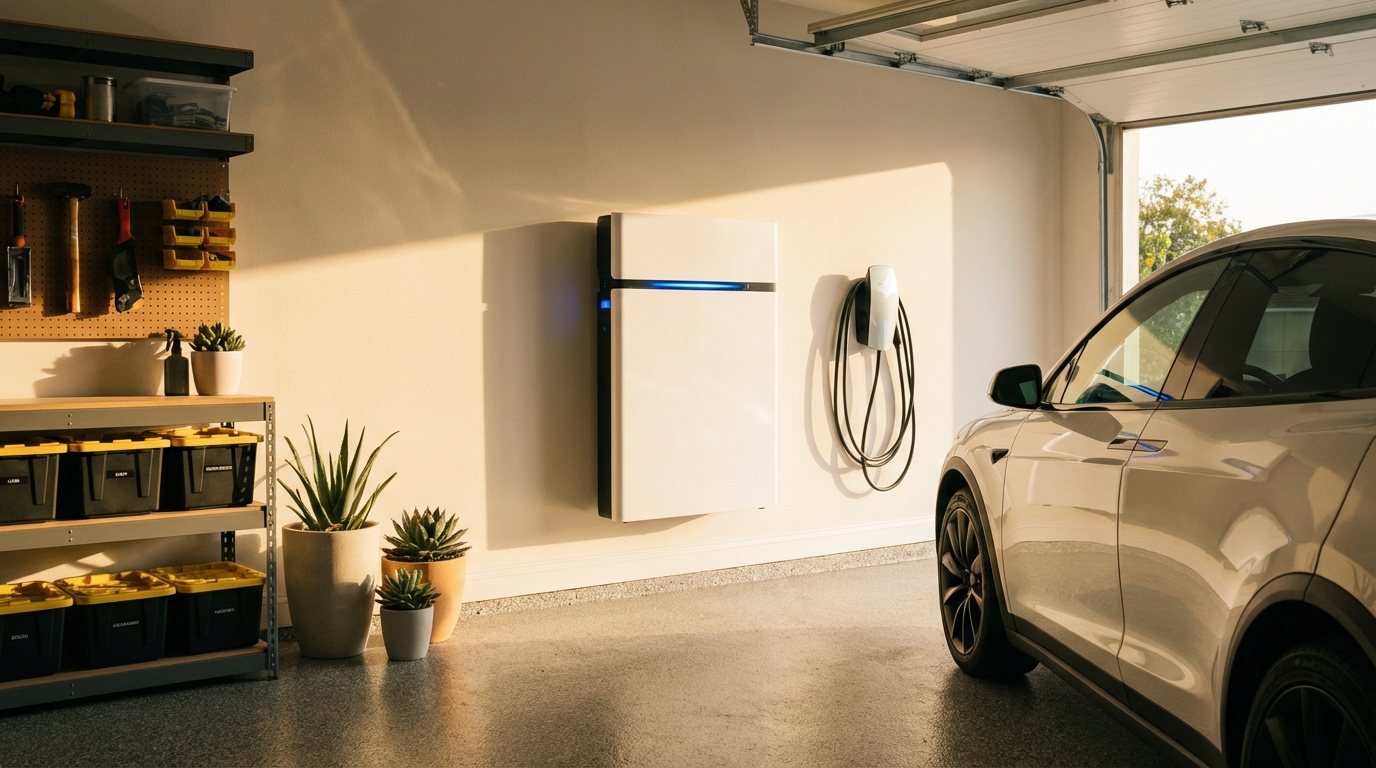
Under NEM 3.0, export rates dropped by roughly 75%. This means the electricity you send to the grid during the day is worth far less than before.
The practical impact? Solar-only systems take longer to pay for themselves. But when you add a battery, you can store that daytime energy and use it during expensive evening hours — dramatically improving your savings and keeping your payback period between 5 and 9 years.
This is exactly why we recommend battery storage for every new installation. It's no longer a luxury — it's the smart move under NEM 3.0.
Despite NEM 3.0 changes, California remains one of the best states for solar ROI. Here's why:
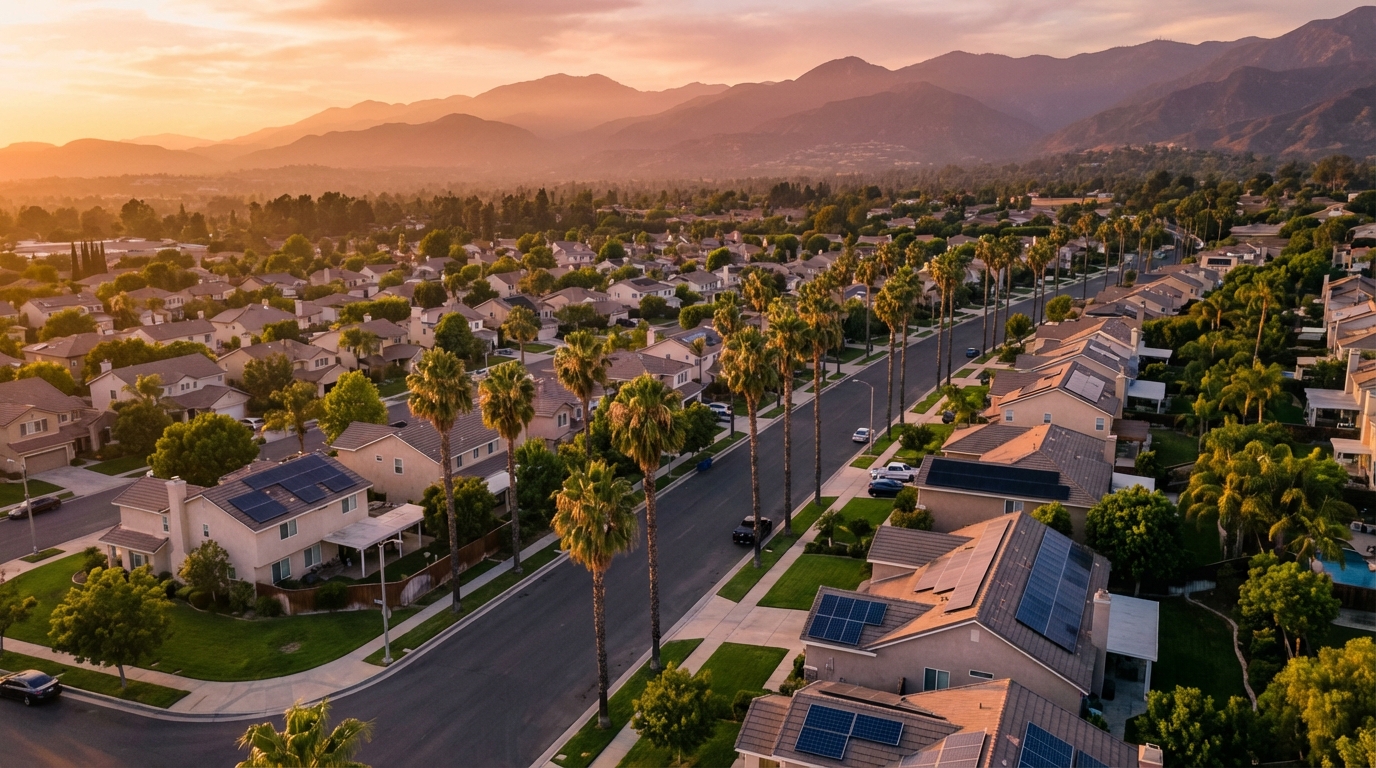
The average payback period in California is 5 to 9 years for a solar-plus-battery system. After that, you're generating free electricity for the remaining 15–20 years of your system's life.
Over 25 years, the average California homeowner saves roughly $40,000 to $90,000 on electricity bills with solar.
Here are a few tips to make sure you're getting the best deal:
At Everysun, we believe in transparent pricing, quality equipment, and installations done right — the first time. Here's what sets us apart:
We're a California-based company built by a team with deep solar experience from Sweden. We came to California because we believe this state deserves better solar installation — and we're committed to raising the standard.
Ready to find out what solar would cost for your home? Get a free personalized quote — no pressure, no gimmicks, just the numbers you need to make an informed decision.
© 2025 Everysun Inc. All Rights Reserved.


Get Your Free Solar Quote
Request your free quote and see how solar can work for your home and budget