NEM 3.0 Solar Savings: How California Homeowners Can Still Save Big in 2026
March 9, 2026
|
When California rolled out NEM 3.0 in April 2023, many homeowners wondered if going solar was still worth it. Export credits dropped by 75%, and some media outlets declared the "end of solar savings in California."
They were wrong. Nearly three years later, solar with battery storage is saving California homeowners as much or more than NEM 2.0 systems ever did. The strategy just looks different. Instead of overproducing and exporting to the grid, today's smart solar systems focus on self-consumption — using your own solar energy when it's most valuable.
This guide breaks down exactly how NEM 3.0 works in 2026, why batteries changed the equation, and the specific strategies California homeowners can use to maximize their solar savings.
NEM 3.0 — officially called the Net Billing Tariff (NBT) — replaced NEM 2.0 as California's policy for compensating solar homeowners who send excess electricity to the grid. Here's what changed:
The critical point most people miss: the value of self-consumed solar didn't change at all. Every kWh you generate and use in your own home still saves you the full retail rate — $0.30–$0.60/kWh depending on your utility and time of use.
NEM 3.0 only reduced the value of exported solar. If you can use most of what you produce, NEM 3.0 barely affects your savings.
Under NEM 2.0, system design was simple: install as many panels as possible, export the excess, and earn generous credits. Under NEM 3.0, the winning strategy is fundamentally different.
Here's the math that drives every decision:
The difference between self-consumed and exported solar is 5x to 10x. This makes self-consumption the single most important factor in your solar economics.
Without a battery, a typical solar home self-consumes about 30–40% of what their panels produce. The rest is exported during midday hours when the home uses less electricity than the panels generate.
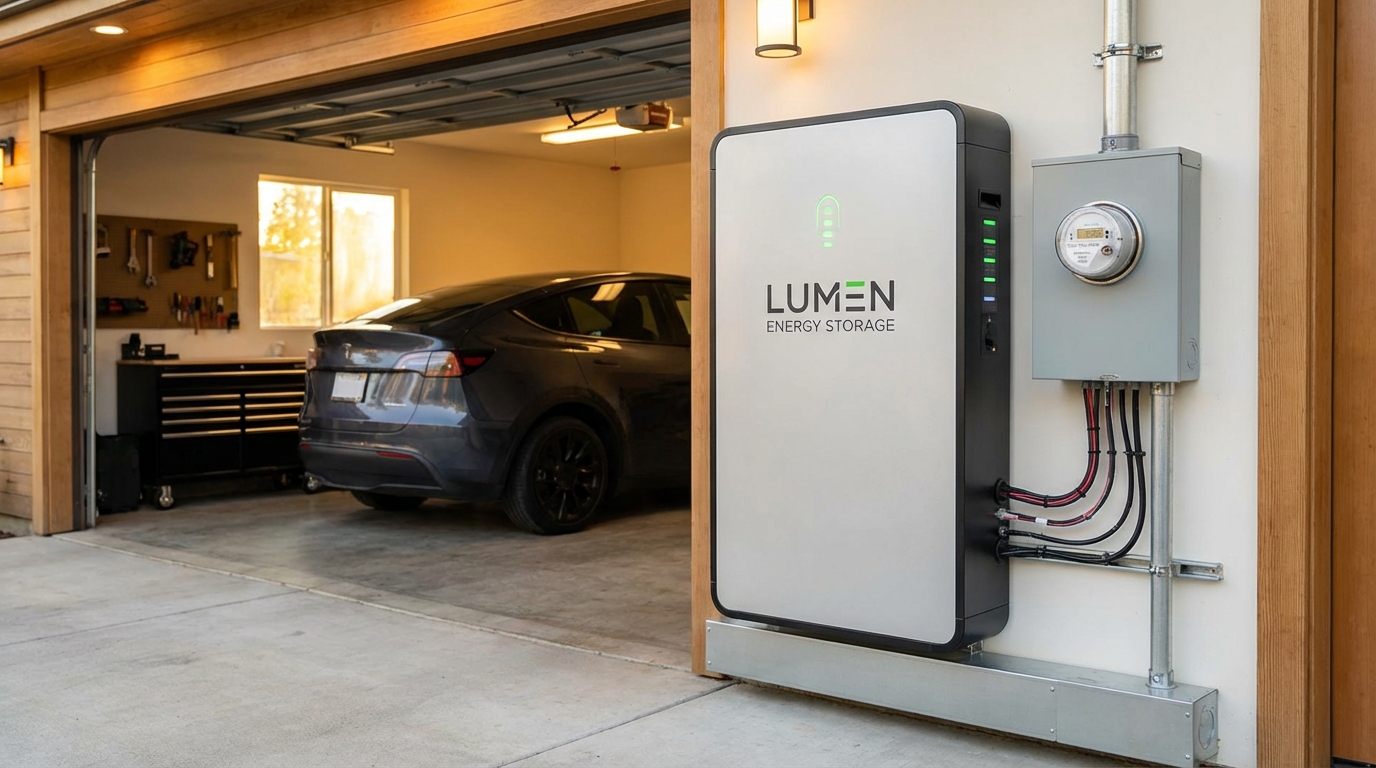
With a properly sized battery, self-consumption jumps to 80–90%. Here's how:
Under NEM 3.0, a battery isn't a luxury — it's an economic necessity. Here's the financial comparison:
The battery adds $13,000 to the upfront cost but nearly doubles your annual savings. It also provides backup power during outages — an increasingly valuable feature given California's aging grid infrastructure and wildfire-related power shutoffs.
NEM 3.0 is built on time-of-use (TOU) rate structures, and understanding these rates is key to maximizing savings.
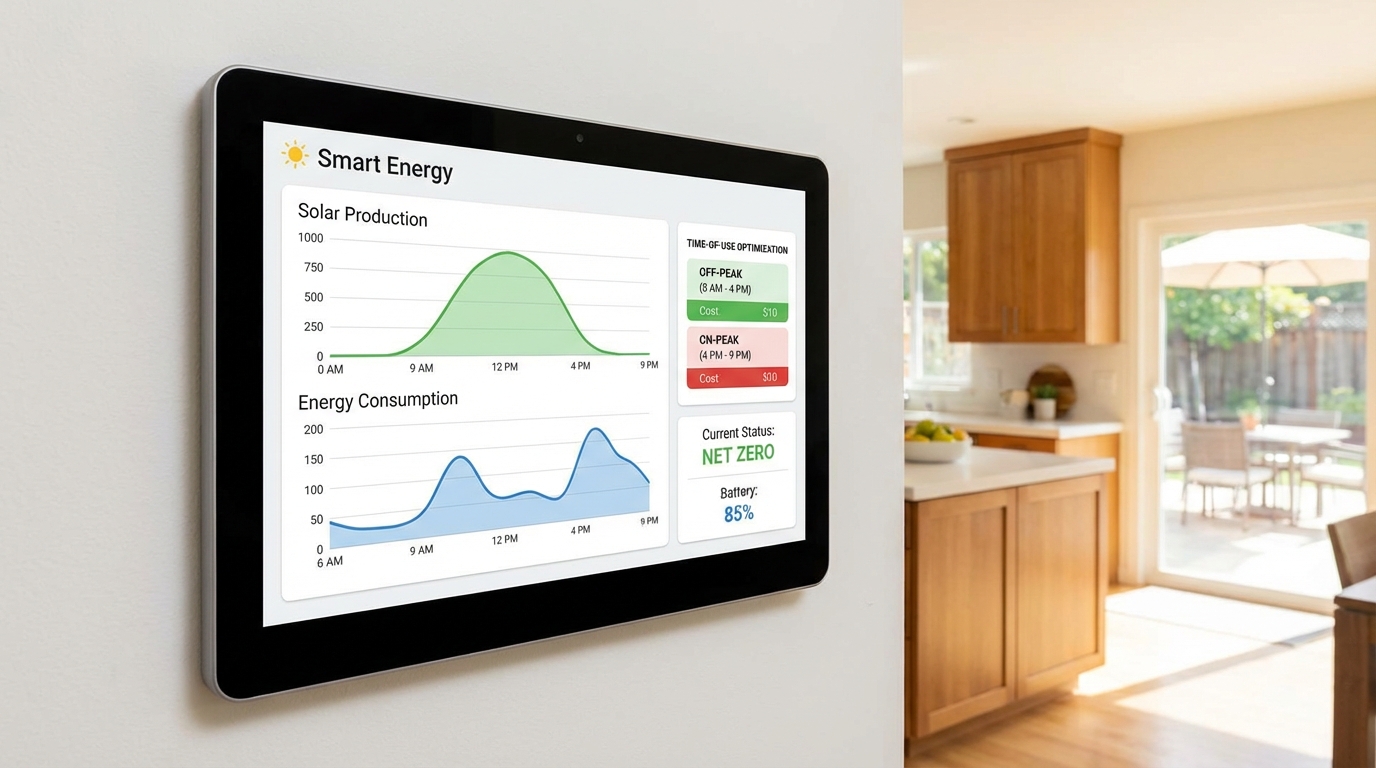
Electricity prices vary throughout the day based on grid demand:
Your solar panels generate during off-peak hours. Your battery stores that energy and deploys it during peak hours. The spread between off-peak generation cost ($0 — it's your solar) and peak avoidance value ($0.40–$0.60/kWh) is where your savings multiply.
Some smart homeowners go further:
How your solar + battery system is designed makes a significant difference in long-term savings:
Under NEM 2.0, the advice was "go big." Under NEM 3.0, the advice is "go smart." You want enough panels to cover your annual consumption plus battery charging — but not so many that you're exporting massive amounts at $0.05/kWh.
A good rule of thumb: design for 100–120% of your annual electricity usage, accounting for battery round-trip efficiency losses (~10%).
Battery sizing depends on your evening and overnight consumption:
Your installer should model your specific usage patterns — hourly, not just monthly — to determine the optimal battery size.
Under NEM 2.0, south-facing panels were always preferred because they produce the most total energy. Under NEM 3.0, west-facing panels have gained value because they produce later in the day, aligning more closely with peak rate hours (4–9 PM).
Many installers now recommend a split orientation — some panels facing south for maximum total production and some facing west for better peak-hour production — especially if battery capacity is limited.
While the federal solar landscape has changed, California maintains several programs that can reduce your costs:
SGIP provides rebates for battery storage systems. The amount varies by utility territory and funding availability, but eligible homeowners can receive $150–$1,000+ per kWh of battery capacity. Homes in high-fire-threat districts or on medical baseline may qualify for enhanced incentives.
Check with your installer or the SGIP website for current availability in your area.
Los Angeles residents served by LADWP may qualify for the city's Solar Incentive Program, which provides per-watt rebates on qualifying residential installations. This program has limited funding and is subject to availability.
California law (Revenue and Taxation Code Section 73) exempts solar energy systems from property tax reassessment. Your home value increases, but your property taxes don't — a significant benefit in a state with high home values.
Homeowners in disadvantaged communities may qualify for DAC-SASH (Disadvantaged Communities – Single-Family Solar Homes), which provides free or heavily subsidized solar installations.
Let's look at real-world savings scenarios for different California homeowners:
In every scenario, the homeowner comes out significantly ahead over 25 years — even under NEM 3.0.
Several factors make 2026 a strong year for California homeowners to install solar:
At Everysun, every system we design is built for NEM 3.0 from the ground up. We don't just slap panels on your roof — we engineer a complete energy solution:
Get a free consultation — we'll show you exactly how much you'll save under NEM 3.0 with a system designed specifically for your home and usage patterns.
Yes. While export credits are lower, electricity you generate and use yourself (or store in a battery) still saves you the full retail rate — $0.30–$0.60/kWh. With a battery, most homeowners achieve 80–90% self-consumption, making NEM 3.0 export credits a minor factor in overall savings.
For solar-only systems (no battery), annual savings decreased by roughly 30–40% compared to NEM 2.0. For solar + battery systems, savings are comparable to or better than NEM 2.0 levels, because high self-consumption rates offset the lower export credits.
Technically no — solar panels still save money without a battery. But a battery nearly doubles your annual savings under NEM 3.0 by shifting self-consumption from ~35% to ~85%. For most homeowners, the additional investment pays for itself through dramatically higher savings.
Yes. Homeowners who received Permission to Operate (PTO) before April 15, 2023, are grandfathered under NEM 2.0 for 20 years from their interconnection date. Adding a battery to an existing NEM 2.0 system typically preserves your NEM 2.0 status, but check with your utility.
The best battery depends on your home's energy usage and what you want to achieve. Popular options include 10–13.5 kWh single battery systems for average homes and 20+ kWh configurations for high-usage homes or those wanting whole-home backup. Your installer should recommend a size based on your specific consumption data.
Yes. Solar-only systems still provide meaningful savings — roughly $1,800–$2,200 per year for a typical California home. The payback period is longer than a solar + battery system (10–12 years vs. 7–9 years), but you still save $50,000–$70,000 over 25 years. You can also add a battery later.
© 2025 Everysun Inc. All Rights Reserved.


Get Your Free Solar Quote
Request your free quote and see how solar can work for your home and budget