Should You Replace Your Roof Before Going Solar? A California Homeowner's Guide
March 18, 2026
|
California
You've decided to go solar — and then a thought hits you: "Wait, should I replace my roof first?"
It's one of the most common questions we hear from California homeowners, and for good reason. Solar panels are designed to last 25 years or more. If your roof can't keep up, you could end up paying to remove panels, replace the roof, and reinstall everything — an expensive headache no one wants.
At Everysun, we believe in giving you the honest answer, not the quick sale. So let's walk through exactly how to evaluate your roof before going solar.
The first thing to figure out is your roof's remaining lifespan. Here's a rough guide based on common roofing materials in California:
If your roof has more than 10–15 years of life remaining, you're generally safe to install solar panels without replacing it first. If it's nearing the end of its useful life — say within 5–7 years — it almost always makes sense to re-roof before the installation.
Age isn't everything. Even a relatively young roof can have issues. Watch for these warning signs:
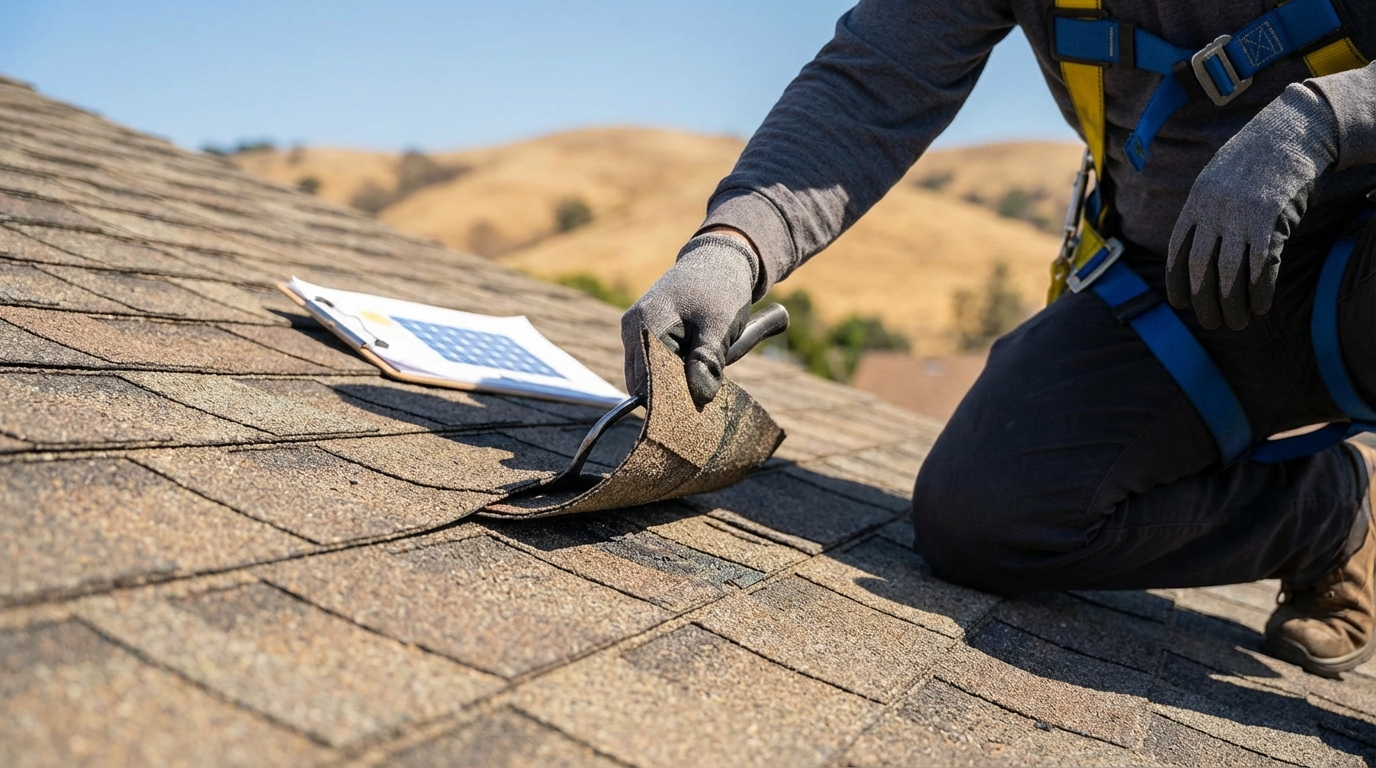
Walk around your property and look up. Cracked, curling, or missing shingles are red flags. For tile roofs, look for broken or displaced tiles. Any visible damage means water could be getting in — and adding solar panels on top of a compromised roof is asking for trouble.
Check your attic and ceilings. Brown or yellow stains, peeling paint, or damp spots signal active leaks. These must be addressed before any rooftop work.
If your roof has a visible sag or dip, there could be structural issues with the decking or rafters. Solar panels add weight (though modern all-black panels are surprisingly lightweight), so structural integrity is non-negotiable.
In coastal areas of Southern California, moss and algae growth can deteriorate roofing materials faster than expected. For asphalt shingles, check your gutters — if they're full of granules, your shingles are aging out.
Here's why this decision matters so much financially:
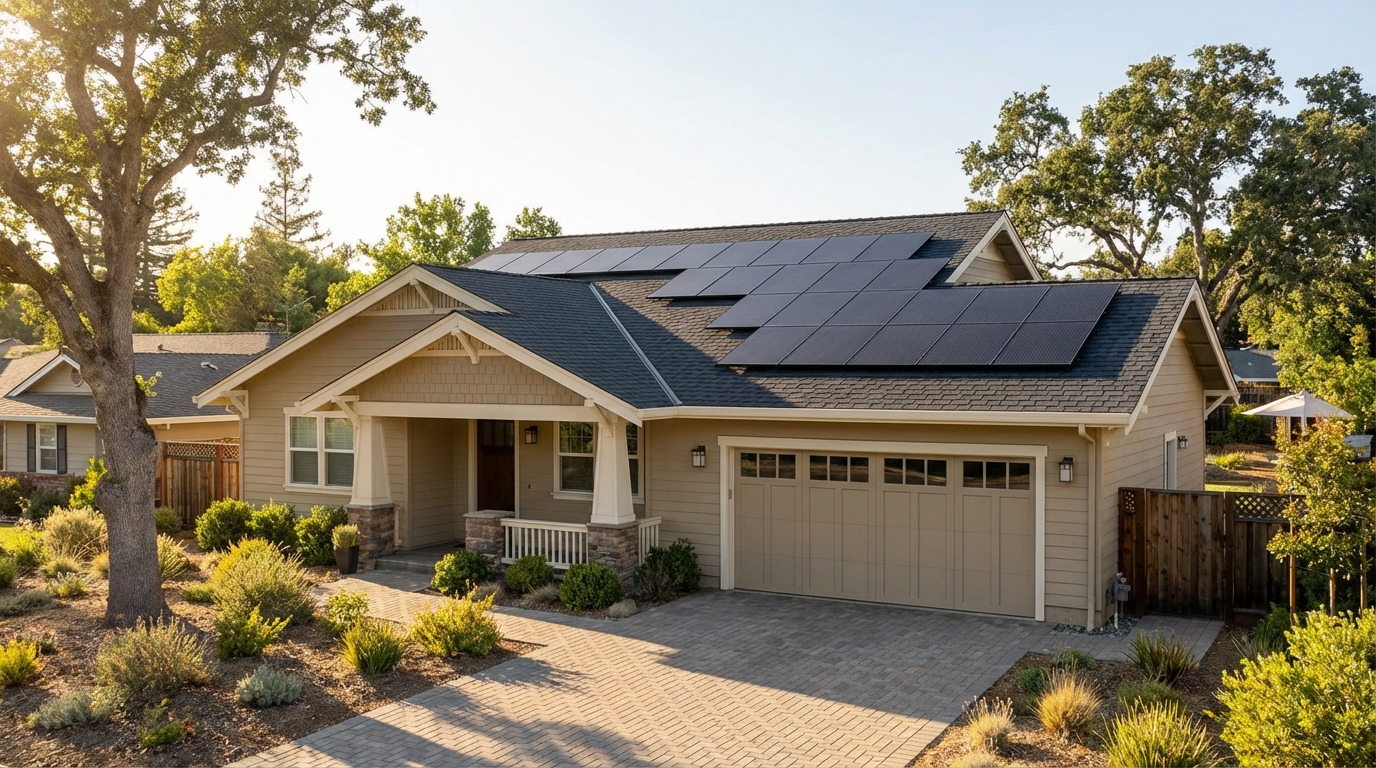
If you install solar panels on a roof that fails within a few years, you'll need to:
The removal and reinstallation alone can cost $2,000–$5,000 or more, depending on your system size. That's money that could have gone toward a better solar setup or battery storage.
Compare that to replacing the roof first: you do the roofing project once, install solar once, and everything is protected for decades.
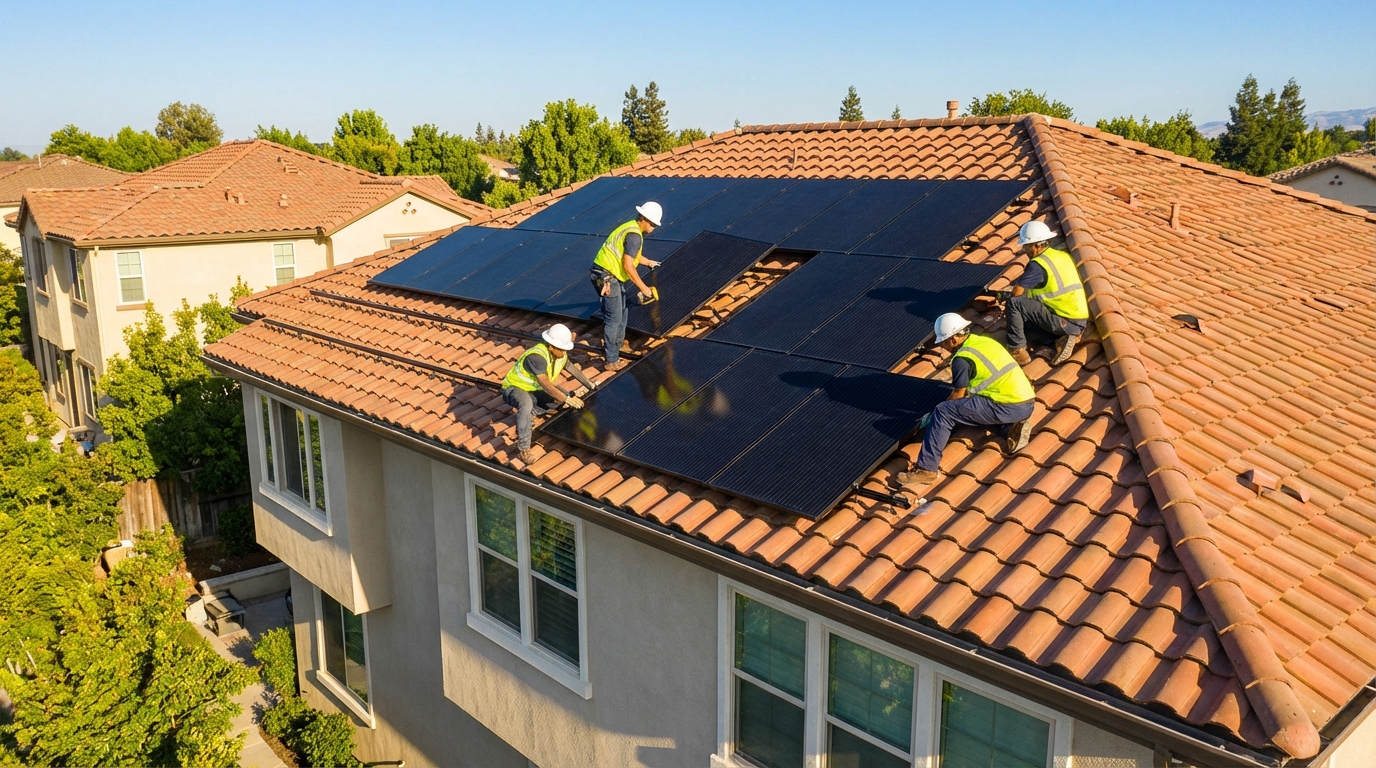
Absolutely — and in many cases, this is the smartest move. Coordinating a roof replacement with your solar installation has several advantages:
At Everysun, we work with homeowners throughout Southern California — from Los Angeles to Orange County to the Inland Empire — and we're happy to coordinate the timing of your roof and solar projects.
California homes often have concrete or clay tile roofs, and these deserve special attention. The good news: tile roofs typically last 40–50 years, so many are in fine shape for solar.
The consideration: tile roofs require specialized mounting systems. The tiles around the mounting points need to be carefully removed, the mounts installed on the underlayment, and the tiles replaced or flashed properly. An experienced installer will know exactly how to handle this without compromising your roof's integrity.
If your tile roof is in good condition but a few tiles are cracked or displaced, you can usually just repair those specific areas before installing solar panels.
Here's our honest recommendation: before any solar installation, get your roof inspected. You have two options:
Hire a licensed roofing contractor for an independent assessment. They'll evaluate the materials, structure, flashing, and remaining lifespan. Expect to pay $150–$400 for a thorough inspection.
A reputable solar installer will assess your roof condition as part of their standard site survey. At Everysun, our team examines roofing materials, condition, and structural suitability during every initial consultation — at no cost to you.
We'll tell you straight: if your roof needs work first, we'll say so. We'd rather delay a project by a few weeks than install a system that causes you problems down the road. That's just how we operate.
Here's a quick way to think about it:
Whether your roof is brand new or getting up there in years, we're here to help you make the right call. Our team serves homeowners across California — from Glendale and Pasadena to Anaheim and Santa Ana — and we're always happy to take a look and give you an honest assessment.
Get in touch with Everysun for a free consultation. We'll evaluate your roof, design a custom solar system, and make sure everything is set up to protect your home for decades to come.
© 2025 Everysun Inc. All Rights Reserved.


Get Your Free Solar Quote
Request your free quote and see how solar can work for your home and budget