Solar Panel Maintenance Guide: Cleaning, Inspections & Long-Term Care
March 9, 2026
|
California
One of the best things about modern solar panels is how little maintenance they require. There are no moving parts, no fuel to add, no filters to replace. A quality solar system can produce clean energy for 25–30+ years with minimal attention.
But "minimal" isn't the same as "none." A little regular care goes a long way toward keeping your system performing at its peak — and protecting your investment for the long haul.
Here's everything California homeowners need to know about maintaining their solar panels, from cleaning basics to professional inspections and long-term system monitoring.
Yes — but probably less often than you think.
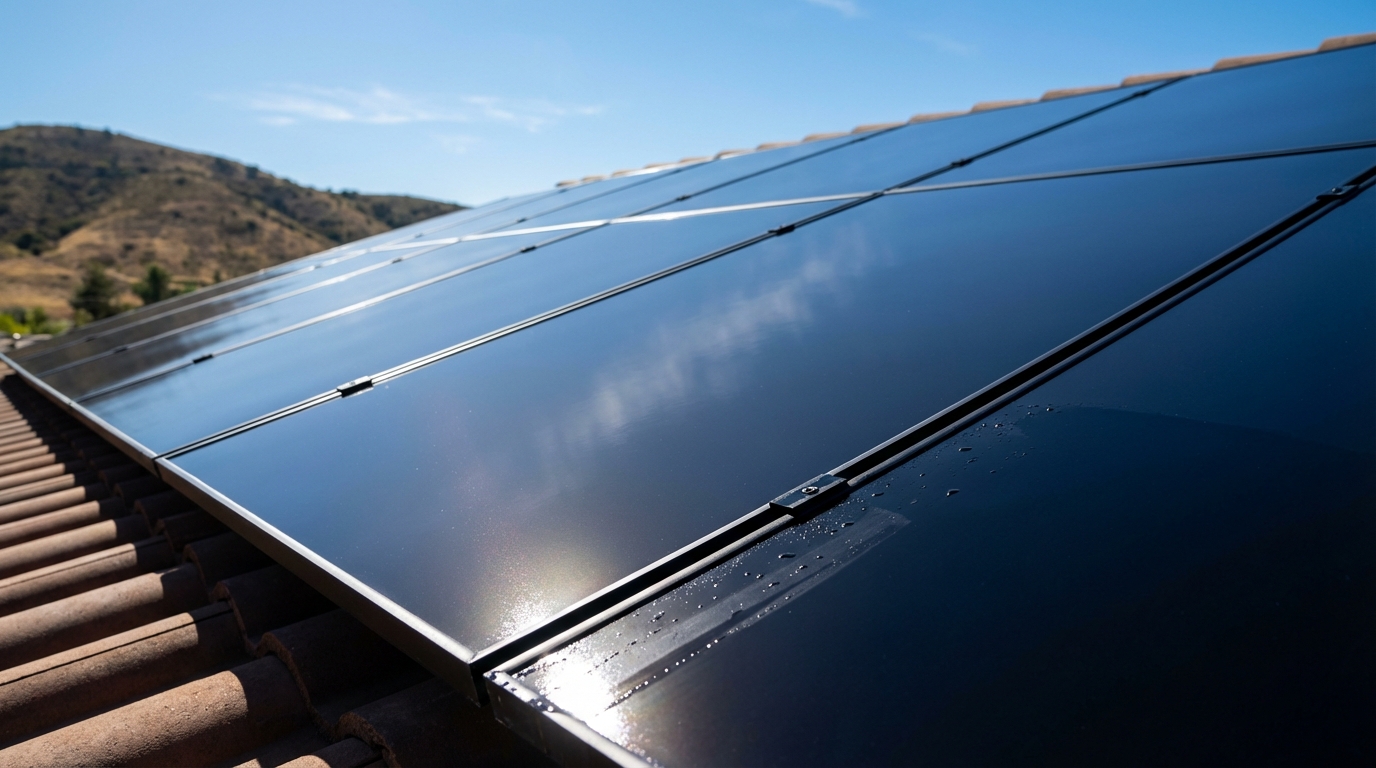
Solar panels work by absorbing sunlight, so anything that blocks that light — dirt, dust, pollen, bird droppings, tree sap — will reduce their output. In California's dry, dusty climate, panels can accumulate a thin layer of grime that reduces efficiency by 5–15% over time if left uncleaned.
For most California homes, cleaning once or twice a year is sufficient. Here's a rough guide:
California's occasional rain does help wash off some surface dust, but it's rarely enough to fully clean panels — especially if there's been a long dry spell.
If you're comfortable working safely on or near your roof, basic panel cleaning is straightforward:
Safety first: If your panels are on a steep or high roof, don't take risks. Hire a professional cleaning service — it typically costs $150–$350 depending on system size and roof accessibility.
One of the most important aspects of solar maintenance isn't physical — it's keeping an eye on how your system is performing.
Most modern solar systems come with a monitoring app (from the inverter manufacturer like Enphase, SolarEdge, or others) that lets you track:
Make a habit of checking your monitoring app at least once a month. If you notice a sudden drop in production that isn't explained by weather, it could indicate a dirty panel, shading issue, or equipment problem.
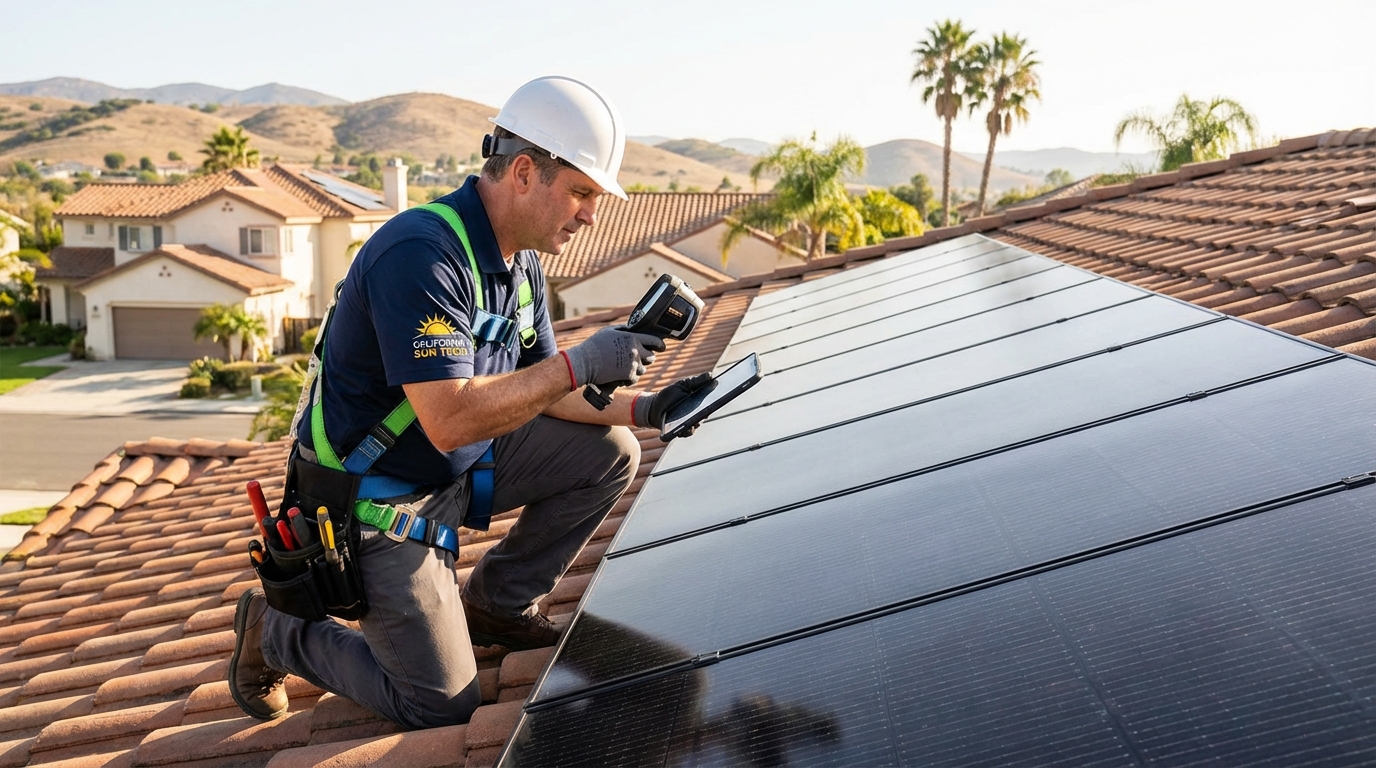
While you can handle basic cleaning yourself, we recommend a professional inspection every 1–2 years. A qualified solar technician will check things you can't easily see:
Speaking of pests — this is a surprisingly common issue for California solar homeowners. The space between your panels and the roof creates a warm, sheltered spot that's irresistible to:
Critter guards (also called bird guards or mesh barriers) are wire mesh screens that attach around the perimeter of your panels, blocking animals from getting underneath. They're discreet, effective, and relatively affordable — typically $500–$1,500 for a standard residential system.
If you're seeing signs of animal activity around your panels (droppings, nesting material, chewed wires), don't wait — the damage can be expensive to repair.
Wildfire smoke can significantly impact solar panel performance. Heavy smoke seasons can reduce solar production by 10–30% during affected days. After a major smoke event, check your panels — ash and soot deposits may need cleaning.
Southern California's famous dry winds can deposit unusual amounts of dust and debris on panels. After a significant wind event, visually inspect your panels and clean if needed.
If you're in a coastal community, salt spray can corrode hardware over time. Professional inspections are especially important to catch early signs of corrosion on mounting systems and electrical connections.
Your solar system comes with warranties that protect your investment — but it's important to understand what they cover:
Most quality solar panels (like the all-black panels we use at Everysun) come with a 25-year product warranty and a 25-year performance guarantee — meaning they'll still produce at least 80–85% of their rated output after 25 years.
Inverters typically carry a 12–25 year warranty depending on the brand and type. Microinverters generally have longer warranties than string inverters.
This covers the workmanship — mounting, wiring, roof penetrations. At Everysun, we stand behind our work with a 20-year installation warranty, one of the best in the industry.
Important: Keep records of any maintenance you perform, including cleaning dates and professional inspection reports. Some warranties require evidence of reasonable maintenance.
Here's a simple schedule to follow throughout the life of your system:
Solar panel maintenance is simple, affordable, and well worth the effort. A well-maintained system performs better, lasts longer, and protects the investment you've made in your home's energy future.
At Everysun, we don't just install solar systems and disappear. We build long-term relationships with our customers across Los Angeles, Orange County, Glendale, Anaheim, Santa Ana, and throughout Southern California. If you ever have questions about maintaining your system — or if you're ready to go solar and want a team that will be there for the long haul — we're just a call away.
Contact Everysun for a free consultation or to schedule a maintenance check on your existing system.
© 2025 Everysun Inc. All Rights Reserved.


Get Your Free Solar Quote
Request your free quote and see how solar can work for your home and budget